
Key Points
- Commercial rent is typically calculated based on price per square foot.
- The total cost depends on whether the landlord charges monthly or yearly.
- The lease determines if you have to pay for taxes and upkeep.
- Central location and modern amenities increase the cost.
Introduction
Businesses need to find a suitable location as this is a critical step. Business owners spend weeks on this task because location has a major impact on business operations.
However, people get confused when they see the rental invoice. In commercial spaces, the amount in the listing is not always a flat number. In this guide, we will break down exactly how commercial property rental rates work. Let’s explain the math behind it.
Basic Formula: Price Per Square Foot
Commercial properties in Norwalk, CT, use a system based on price per square foot. For example, when buying a piece of fabric, you pay for the amount of fabric you buy. The same thing goes for space.
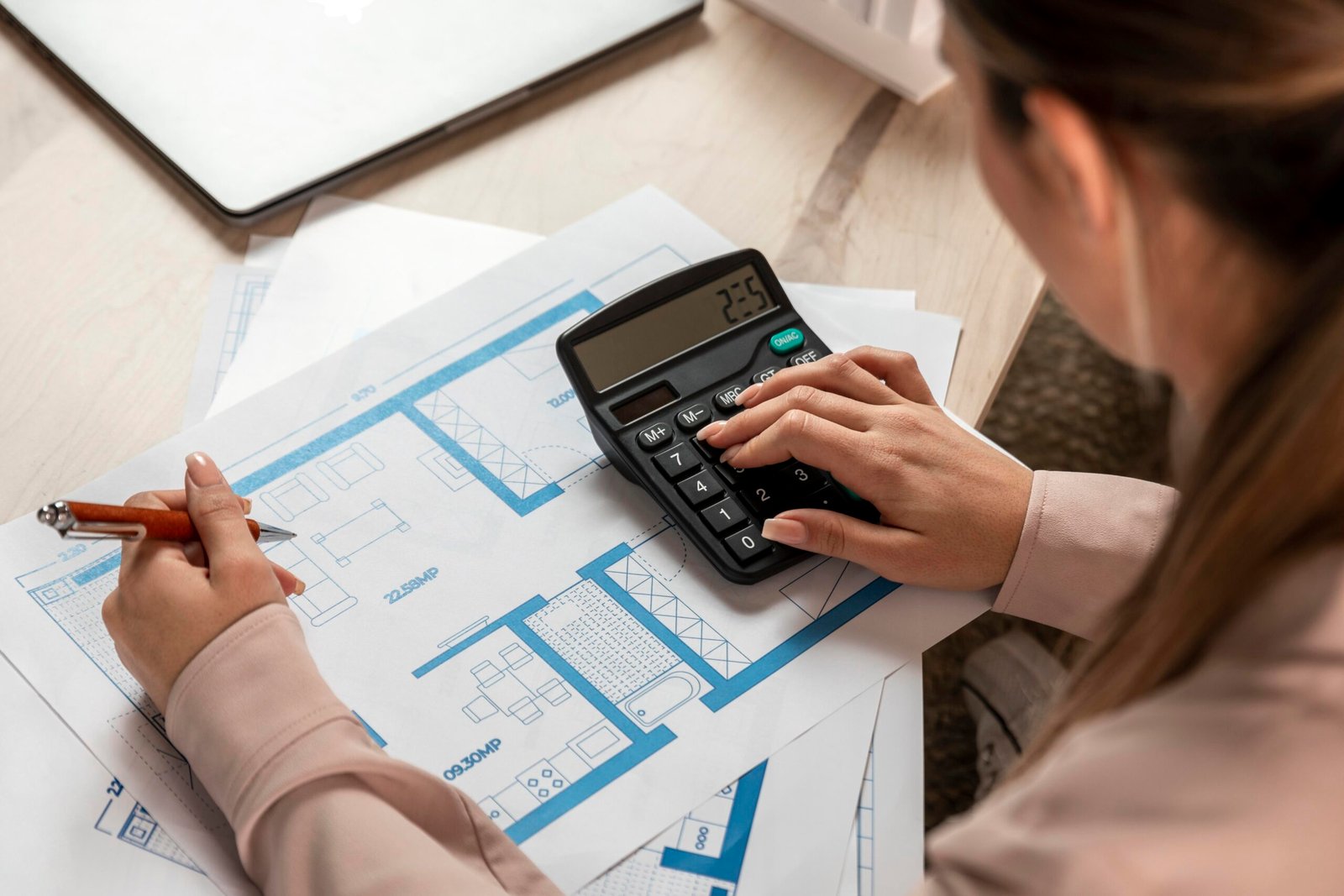
You need two variables to calculate the base rent: the area of the space in square feet and the price per square foot.
Annual/Monthly Math
There are some parts of the country where landlords price monthly. However, a lot of places, including CT, charge yearly.
Look at this example:
Let’s assume that the area is 1,000 square feet and the rate is $20 per square foot. Multiply them to find the total cost.
$1,000*20=20,000.
It means that commercial property rent costs $20,000 a year. Divide the total amount by 12 to find the monthly rent.
$20,000/12=$1,666.67.
Landlords give an annual price. You should always confirm this before signing the contract.
Usable Space vs. Rentable Space
You may see some private offices when looking through the building. There are multiple communal areas, like hallways and restrooms. This takes us to two types of measurements.
1. Usable Square Footage
This is the space you actually occupy. It is measured inside your walls where your desks and equipment sit.
2. Rentable Square Footage
This is your usable space plus a small portion of the common areas. This is what landlords call the “load factor” or “add-on factor”. If the building has a nice lobby and tidy hallways, all the tenants pay a small amount for this area.
When you see a price, find out if it is for usable or rentable area. Most of the time, you have to pay for the rentable square footage. This is a maintenance or upkeep cost for the common areas of the building.
The Three Main Types of Leases
The price per square foot is just the beginning. Who is responsible for the lights, the taxes, the roof repairs? It depends on your lease type.
1. The Gross Lease
A gross lease is very straightforward. You pay one flat fee every month. The landlord takes care of everything else. They take care of the property taxes, building insurance, and the repairs.
This is ideal for new businesses since your bills don’t change month to month. You don’t have to stress if electricity prices increase because it’s not your responsibility.
2. Triple Net Lease (NNN)
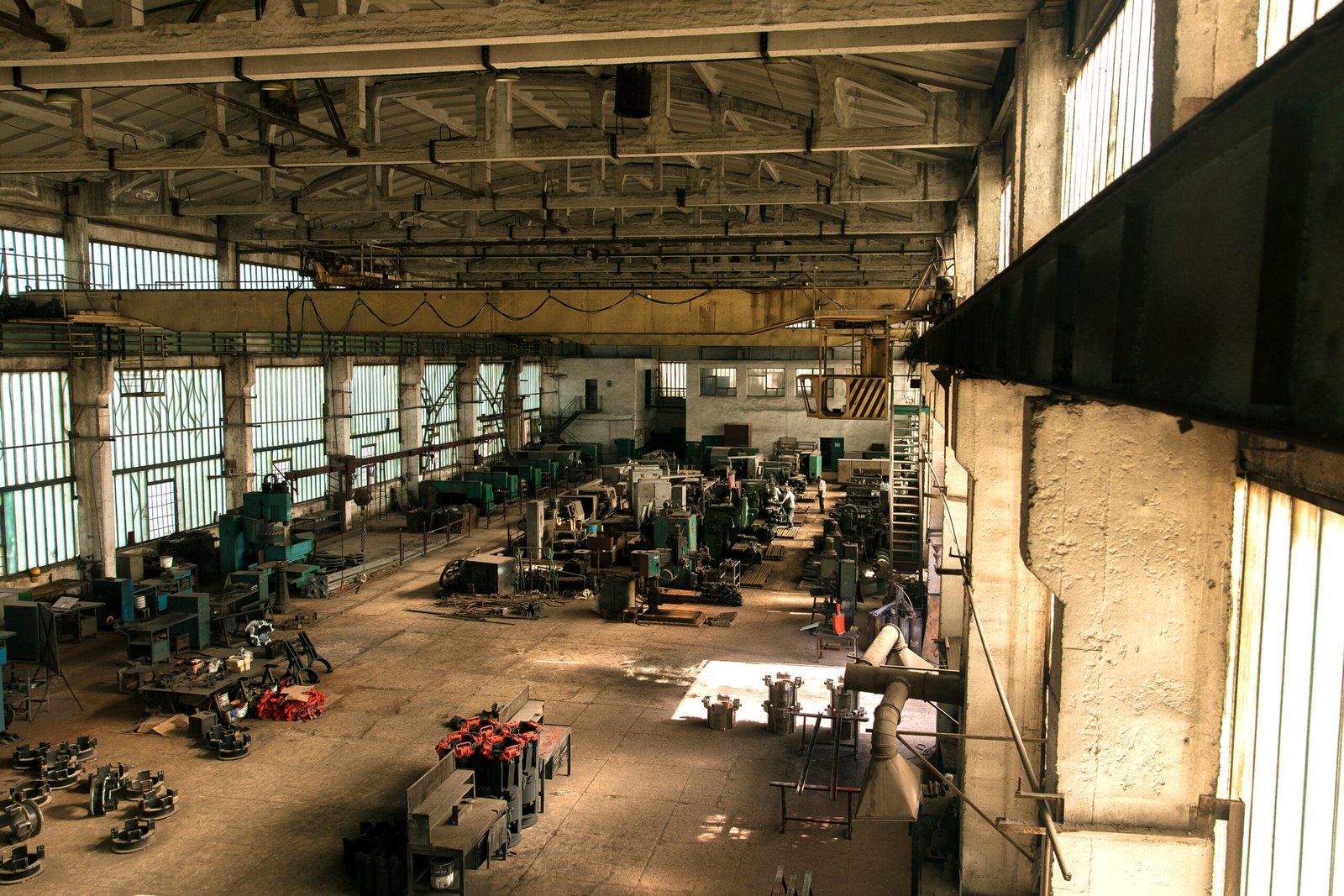
Industrial and retail spaces follow the Triple Net Lease (NNN) concept. Here, the base rent is typically lower. However, you also cover three costs:
- Real Estate Taxes
- Building Insurance
- Maintenance (Cleaning and Repairs)
In an NNN lease, you cover your portion of these expenses in addition to your rent. If the taxes increase, your cost increases. These costs are often unpredictable. You can also learn the zoning laws for commercial spaces in Connecticut.
3. The Modified Gross Lease
This option is a middle ground. Usually, you cover the rent and possibly the utilities. The landlord might still cover the taxes and insurance. It is a combination that many commercial spaces follow.
Why Do Commercial Lease Rates Go Up or Down?
Not every square foot costs the same. Several factors change the price of a property.
1. Location
A building near a train station or a major highway like I-95 usually costs more. Why? Because it is easier for your employees to get to work. It is also easier for clients to find you. A commercial space in a central location saves time and money spent on travel.
2. Building Class and Amenities
Buildings are ranked by class.
- Class A: Super-modern buildings with the latest technology and amenities.
- Class B: Older but well-kept buildings. They often have traditional elements like large wooden beams and high ceilings.
- Class C: These are older operational spaces and tend to be the cheapest in rent.
3. Building Class Amenities
Building spaces with high-speed internet, 3-phase power for machines, and large elevators tends to be more expensive.
4. Customization and Renovation
Customizable spaces can be more expensive. Some commercial spaces allow customization and renovation to a limited extent. If you want to move the walls or add new power lines, the owner may charge you extra to cover those costs. However, a good space with a customizable option is preferable.
Evaluating Different Spaces
The goal should be to search beyond the average because you can find multiple commercial space options. Use a checklist to compare the options.
- Total Monthly Cost: Sum up the rent and extra fees to calculate the total amount.
- Commute Time: Is it easy for your team to travel to the building?
- Flexibility: Can you get extra space in the future?
- Tech Features: Does the building offer sufficient electrical voltage? Is the internet sufficient?
Importance of the Right Selection
A commercial space is more than just a place to conduct business. You are selecting the engine that will drive your business. An inflexible business space is not a good option because your team may outgrow it in a year.
If the space does not have the required electrical capacity, your business operations can stop. The most sought-after spaces provide a high degree of flexibility.
Commercial rental spaces should give you the opportunity to set up the space as per your requirements. They must have extra capacity if you plan to expand in the future.
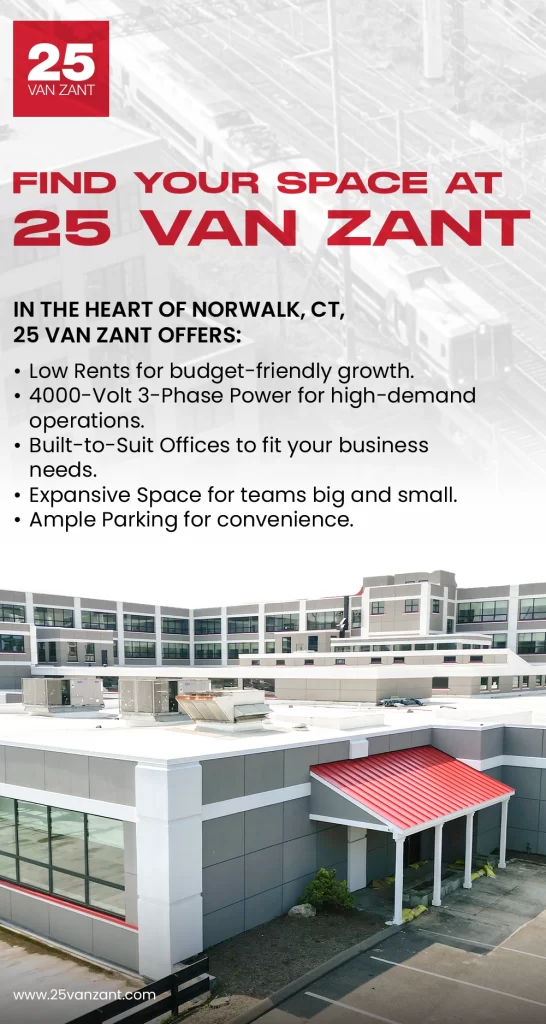
Get Commercial Spaces at 25 Van Zant
25 Van Zant offers premium spaces with fair commercial rental rates. We offer fully customizable commercial property for rent in Norwalk, CT, on fair terms. We help you fit your vision within our 265,000 sq. ft. newly renovated, loft-style space.
We offer everything from flexible floor plans that support your workforce expansion to incentive-friendly tax upgrades. Our building has 24/7 security and high-speed internet. You also get enough parking space. Visit us in Norwalk to see it yourself.
Frequently Asked Questions
What is the concept of Rentable Square Feet?
This is a usual practice in the commercial sector. It means that all companies in the building share the costs of the common areas.
Can we negotiate the commercial space rental rates?
Yes. You can usually negotiate the lease length or request tenant improvements. This means whether the landlord contributes to the costs of setting up your new office.
What is meant by 3-phase power in a building?
Many commercial businesses need more power than a home does. They have to run heavy machinery and tools. This is known as a 3-phase power supply.