
Key Points
- It has direct access to highways, rails, and ports.
- Commercial rents are lower than in Stamford and New York.
- A skilled workforce supports industrial growth.
- Flexible buildings follow all the demands of modern light industries.
- Quality of life will help retain employees.
Introduction
Norwalk is not the same city it was ten years ago. The local economy has shifted. The needs of businesses have changed. Light industrial companies are finding that it gives them the right mix of space, talent, and location.
This evolution is not by luck. The city has been building toward this role. It is a place where numerous small businesses can grow. There are various reasons, and together they explain why it is rising as a hub for light industrial work.
1. A Location That Saves Time
Time is one of the greatest expenses for any business. Its central location saves time. It is located on the I-95 corridor. It connects directly to New York City, but it does not trap businesses inside the high costs of New York.
The Merritt Parkway and nearby rail lines add more options, and goods, workers, and customers can move quickly. Trucks avoid long detours. Shipments reach customers in hours, not days.
For light industrial firms, this means smoother logistics. Small manufacturing plants, print shops, or packaging units can deliver to New York, Hartford, or even Boston without delay. The location itself becomes part of the business advantage.
2. Space That Fits Modern Industry
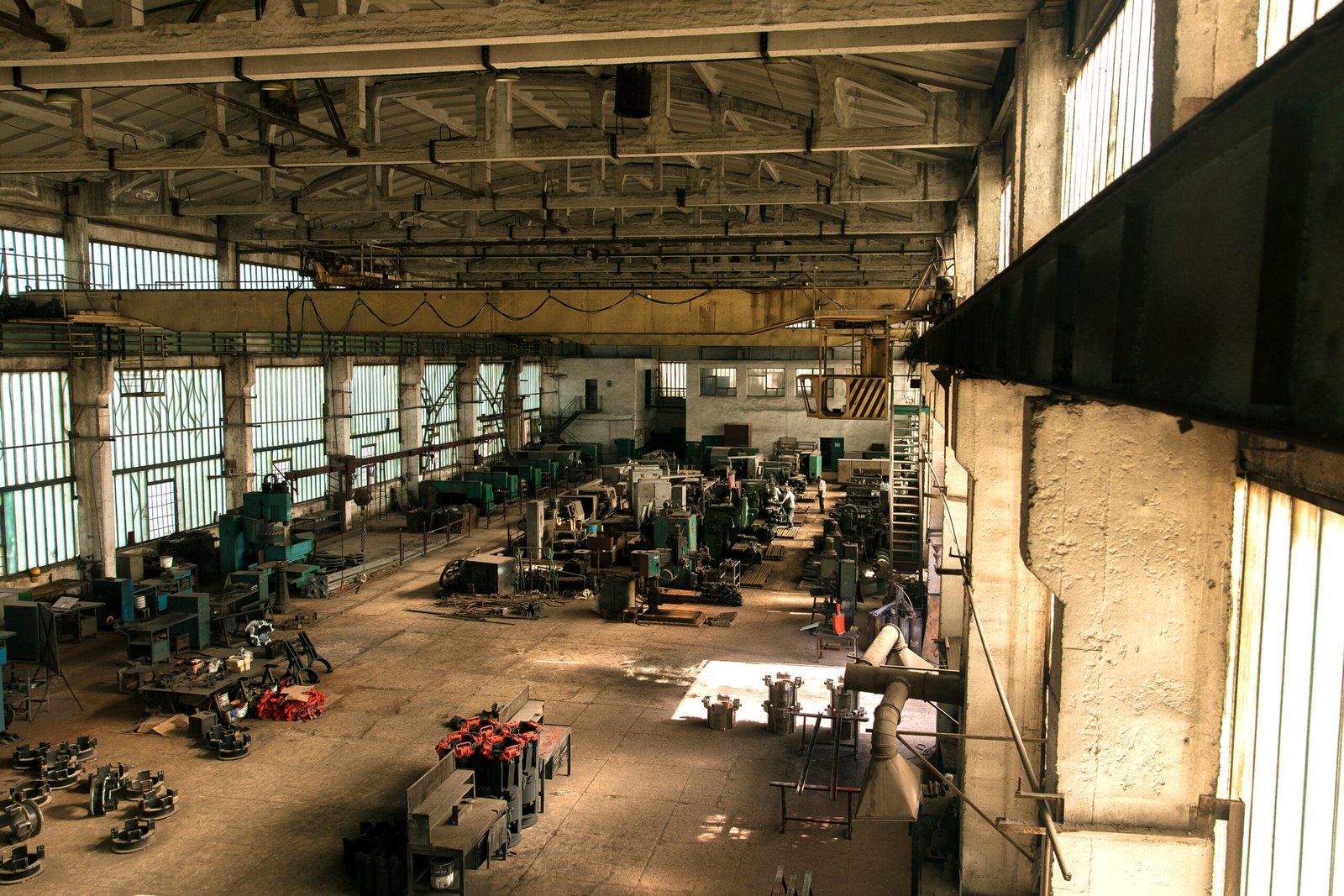
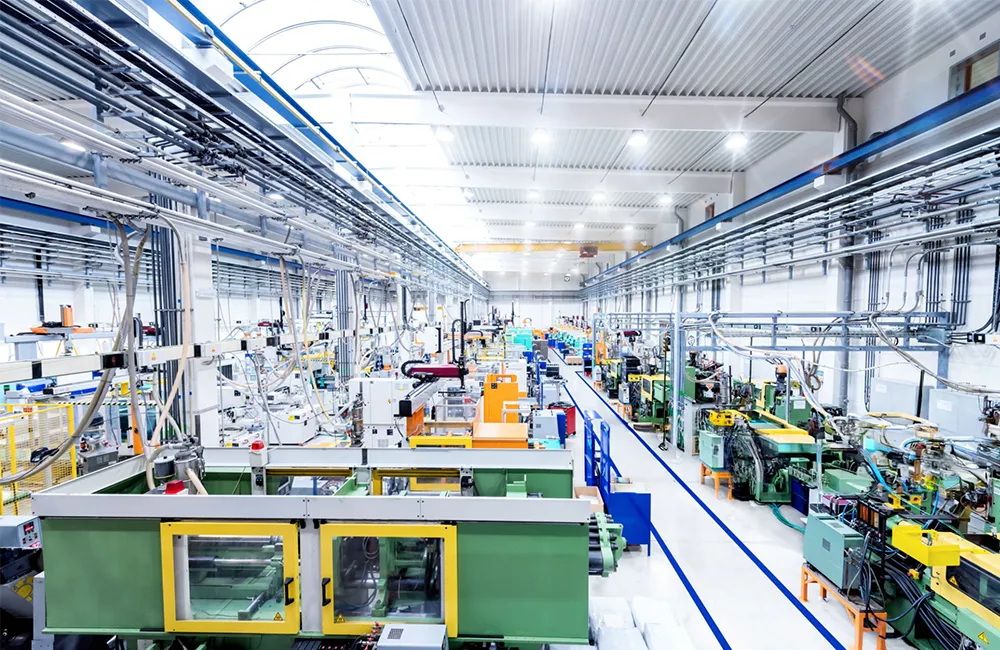
The traditional industry needs giant plants. The light industry needs flexible space. You will get all these features here. Old warehouses have become modern. Many buildings now host both offices and small production areas.
This matters because modern industry does not separate the office from the floor. Design, assembly, and shipping happen under the same roof.
Another factor is scalability. A company can start with a small unit and expand without leaving the city. This continuity makes it appealing to growing firms.
3. The Pull of Affordable Operations
Cost drives every decision. Norwalk is more affordable than New York or Stamford. Rent is lower, and taxes are manageable. Labor costs are balanced with the city’s living standards.
Light industrial companies work on tight margins. Saving on rent means they can spend on equipment or technology. Lower operating costs also make them competitive against rivals in larger cities.
This affordability brings immense value. Businesses get access to large markets while keeping their budgets under control. That is why many industries decide to relocate here.
4. A Workforce That Matches Industry Needs
You have to think about the people. The city has workers with the right skills for the light industry. Machine operators, logistics managers, and technicians are available locally.
Colleges and training centers in the area also support industry. Students learn new tools and digital systems. The workers have good knowledge of technology.
This creates a steady talent pipeline. Firms do not need to import all their workers from far away. They can find, train, and retain staff within the region. That stability reduces costs and improves quality.
5. Suitable for E-Commerce Growth
E-commerce has altered the shape of the industry. Products must move fast. Small distribution centers are more important than massive warehouses.
The city is well-suited for this shift. It gives companies quick access to New York and New England markets. A fulfillment center can cover millions of customers within a short drive.
This is why many light industrial firms tied to e-commerce choose this area. Packaging, printing, last-mile logistics, and small assembly centers find the city ideal. The demand for this type of space only increases.
6. Supportive City Planning
Cities often decide if industry can grow. Zoning rules, permits, and regulations can block or enable business. Norwalk has worked to welcome light industrial firms.
Their regulations are suitable for businesses. Several infrastructure projects in the area have made it advanced. The roads and digital networks are much better now.
This level of support signals long-term stability. Companies see that they can plan. They do not fear sudden policy shifts that will disrupt their operations.
7. A Balanced Lifestyle for Workers
Businesses succeed when workers want to stay. The city offers a good lifestyle that helps companies retain staff.
The city has a peaceful atmosphere at an affordable price. Employees do not need to commute for hours. They can live near their jobs and still enjoy a quality of life.
For employers, this is valuable. Happy employees stay longer and perform better. It will decrease your turnover costs. The place will become a base of operations and a place where businesses can build teams that last.
8. Growing Business Clusters
When businesses gather in one place, they attract more. This is what is happening in Norwalk. As light industrial firms set up, they create clusters. Suppliers, service providers, and support industries follow.
These clusters strengthen each other as the network effect is powerful. It means that new businesses are not isolated. They enter a community of related firms. This makes growth faster and more efficient.
9. Long-Term Vision for Industry
The city has a vision. Leaders know that the light industry is part of the future. They are planning infrastructure, real estate, and business programs with this in mind.
This vision attracts investors. Developers are building properties that meet industrial needs. Training programs are tailored to meet local demand. Companies see this and realize that it is a long-term hub. Also, explore the things to consider before leasing industrial space.
Norwalk Compared to Nearby Cities
| Factor | Norwalk | Stamford | New York City | Bridgeport |
| Average Commercial Rent | Lower than Stamford/NYC | High | Very High | Lower, but fewer modern spaces |
| Access to Highways | Direct access to I-95, Merritt Parkway | I-95 only | Limited due to congestion | I-95 access |
| Workforce Availability | Skilled, affordable, steady | Skilled but higher wage demand | Large pool, but costly | Mixed |
| Industrial Space Flexibility | Many adapted warehouses, mixed-use options | Limited | Expensive | Some, but fewer updates |
| Proximity to Major Markets | NYC within 1 hour | NYC within 1 hour | Located within NYC | NYC within 1 hour |
Why the Shift Matters Now?
The world is changing quickly. Supply chains are being rebuilt. Companies want to be in proximity to their markets. They want reliable logistics, affordable costs, and flexible space.
The city addresses these needs by providing industrial space for rent in Norwalk. It is small enough to adapt yet large enough to connect. It combines old industrial roots with modern demands. This combination makes it one of the most attractive places for the light industry today. Businesses that move early will gain the most.
Conclusion
It has become more than a coastal Connecticut city. It is now a hub for light industrial businesses. Location, affordability, workforce, planning, and lifestyle all combine to make it stand out.
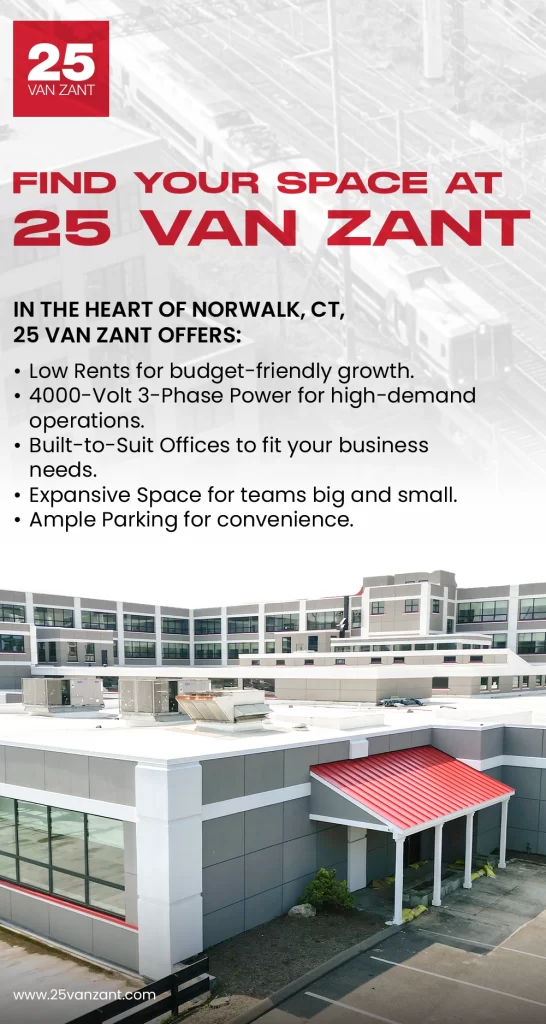
For businesses seeking industrial space for lease in Norwalk, CT, the 25 Van Zant offers modern rentals. It is a smart choice for firms that want to be part of this shift.
Frequently Asked Questions
What types of light industrial businesses can be successful?
Warehousing, distribution, food production, creative industries, and small manufacturing units grow well.
Is there enough workforce available in Norwalk?
Yes. It has a stable workforce. Their local colleges and training programs make it possible.
Can businesses find modern spaces in Norwalk?
Yes. Many old buildings have become modern structures. You can get flexible industrial and office spaces.